
California summers are no joke. Temperatures in the San Fernando Valley can push past 100°F, and that kind of heat doesn't just make your commute uncomfortable — it can expose serious problems hiding in your vehicle. For drivers already dealing with a frustrating repair history, summer can be the season when enough is finally enough. Understanding how heat affects your car, what counts as a defect under California law, and when you may have a case worth pursuing can make all the difference.
If your vehicle has been in and out of the shop with no lasting fix, don't wait — contact us today through our online contact form or call us at (818) 960-1945 to find out if you have a lemon law case.
How Summer Heat Puts Stress on Your Vehicle
Heat is one of the harshest conditions a car can face. When outside temperatures climb, every system in your vehicle works harder — and any existing weaknesses tend to surface fast. For drivers in Southern California, this means summer is often when long-standing issues finally become impossible to ignore.
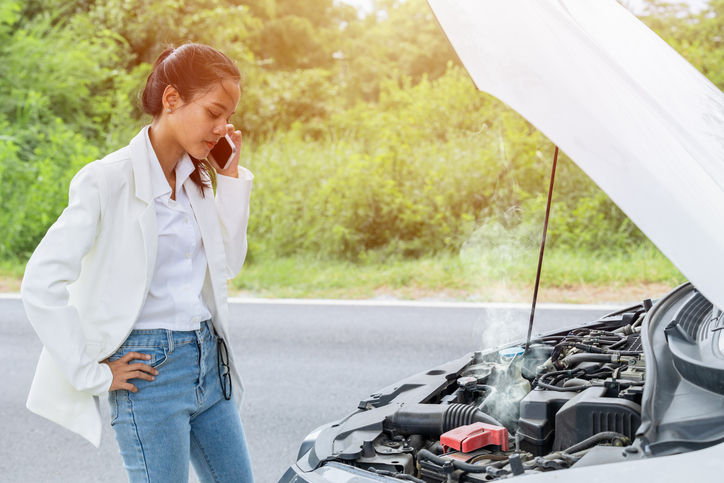
Your engine, transmission, cooling system, and electrical components all generate heat during normal operation. When the ambient temperature is already scorching, these systems have far less margin for error. A cooling system that barely keeps up in mild weather may fail entirely in July. A battery that's been weakening since winter may die in a parking lot during a heat wave.
This is why summer is one of the most common seasons for vehicle breakdowns — and also one of the most telling times to pay attention to how your car is performing.
Common Vehicle Defects That Heat Tends to Reveal
Not all car problems are created equal. Some are minor annoyances, while others affect your safety and your right to a remedy under California law. Here are some common vehicle defects that tend to surface or worsen during hot weather.
Cooling System Failures
The cooling system is your engine's lifeline during summer. It circulates coolant (a liquid that absorbs heat from the engine) to prevent overheating. When this system fails — whether due to a faulty thermostat, a leaking radiator, or a broken water pump — your engine can overheat rapidly. Repeated overheating can cause permanent engine damage, and if the manufacturer or dealer has failed to fix the problem after multiple attempts, this may support a lemon law claim.
Transmission Problems
Your transmission — the system that shifts your car between gears — also generates significant heat during operation. High temperatures can cause transmission fluid to degrade faster, leading to slipping gears, delayed shifts, or complete transmission failure. These are serious issues that directly affect your ability to drive safely and are worth documenting carefully.
Electrical System Malfunctions
Modern vehicles are packed with electronics, and heat is electricity's enemy. Summer heat can worsen pre-existing electrical defects, causing warning lights to appear and disappear unpredictably, power windows or locks to stop working, or infotainment systems to freeze and reboot. When these issues persist despite repeated repair attempts, they can factor into a lemon law claim.
Battery and Charging System Issues
Contrary to popular belief, heat — not cold — is actually harder on car batteries. High temperatures accelerate the chemical reactions inside a battery, wearing it out faster. If your battery repeatedly fails or your car struggles to start during the summer months despite being relatively new, there may be a deeper defect at play.
Air Conditioning Defects
A broken A/C in California summer is more than an inconvenience — it can be a health hazard. If your air conditioning system has repeatedly failed to function properly and the dealer hasn't been able to fix it under warranty, this is a defect worth taking seriously.
Some of the most commonly reported heat-related vehicle defects that California drivers have raised in lemon law cases include:
- Overheating engines due to cooling system failures that persist after multiple repair visits
- Transmission slipping or shutting down in high-temperature conditions
- Electrical malfunctions causing dashboard warning lights, power system failures, or system shutdowns
- Air conditioning systems that fail repeatedly despite repair attempts under the manufacturer's warranty
- Battery drain or charging failures in relatively new vehicles during warm weather months
These defects are particularly significant because they can compromise both your safety and the basic usability of your vehicle. If any of these sound familiar, keep reading — your experience may qualify for legal protection.
What Is California's Lemon Law and Who Does It Protect?
California's lemon law — formally known as the Song-Beverly Consumer Warranty Act — is one of the strongest consumer protection laws in the country. It requires manufacturers to either replace or repurchase a vehicle that has a substantial defect covered under the warranty, when that defect cannot be fixed after a reasonable number of attempts.
The law applies to new vehicles and certified pre-owned (CPO) vehicles that are still under the manufacturer's original warranty. Leased vehicles are also covered. The key is that the defect must be substantial — meaning it significantly impairs the vehicle's use, value, or safety — and it must be covered by the manufacturer's warranty.
Understanding Lemon Law Eligibility in California
Lemon law eligibility in California is based on several factors that courts and manufacturers evaluate when a claim is made. You don't need to know every detail of the law to understand whether your situation might qualify, but here's a plain-language breakdown.
The "Reasonable Number of Repair Attempts" Standard
California law uses the idea of a "reasonable number of repair attempts" to determine whether a manufacturer has had a fair chance to fix your vehicle. There are some general thresholds that establish a presumption — meaning it's assumed your car may be a lemon — under the following conditions:
- The same defect has been subject to four or more repair attempts without being resolved
- The defect is one that could cause serious injury or death, and the manufacturer has made at least two failed repair attempts
- The vehicle has been out of service for more than 30 cumulative days (not necessarily consecutive) due to warranty repairs
Meeting one of these thresholds doesn't automatically guarantee a particular outcome, but it does put you in a much stronger position to pursue a claim. The manufacturer then has the burden to show that the vehicle is not a lemon.
Keeping detailed records of every repair visit is essential. Save your repair orders, note the dates your vehicle was in the shop, and write down what symptoms you reported each time. This documentation becomes your strongest tool if you pursue a claim.
The Vehicle Must Be Under Warranty
The defect must have appeared while the vehicle was still under the manufacturer's warranty. This is why acting quickly matters — the sooner you report problems and start the repair process, the stronger your documentation will be while the warranty is still in effect.
The Defect Must Be Substantial
Minor cosmetic flaws or issues that don't affect how the car drives or its safety typically won't qualify. The defect needs to substantially impair the use, value, or safety of the vehicle. Overheating engines, transmission failures, and persistent electrical issues generally meet this bar.
Why Summer Is the Right Time to Take Action
Summer often serves as a turning point for California drivers who have been tolerating defective vehicles. The heat brings problems to a head — and it also means you're likely driving more, which makes an unreliable vehicle a bigger risk. If you've been back to the dealer two, three, or four times for the same problem and you're still not getting results, that pattern matters under California law.
Delaying action can work against you. Warranties have time limits, and the window for filing a lemon law claim isn't indefinite. The sooner you begin documenting your repair history and seeking legal guidance, the better positioned you'll be.
Talk to California Lemon Lawyers, APC About Your Defective Vehicle
If your car has been struggling through repair after repair this summer without lasting improvement, you may have more legal options than you realize. A qualified Sherman Oaks lemon law attorney can review your situation, help you understand whether you meet the requirements for lemon law eligibility, and walk you through your options.
California Lemon Lawyers, APC is here to help California drivers navigate this process with clarity and resolve. Whether your vehicle is experiencing heat-related failures or any other persistent defect covered under your warranty, our team is ready to review your case. Reach out to us today through our online contact form or give us a call at (818) 960-1945. Don't let another sweltering summer go by in a car that shouldn't still be on the road.